
Start here
What the Superbuy Spreadsheet is
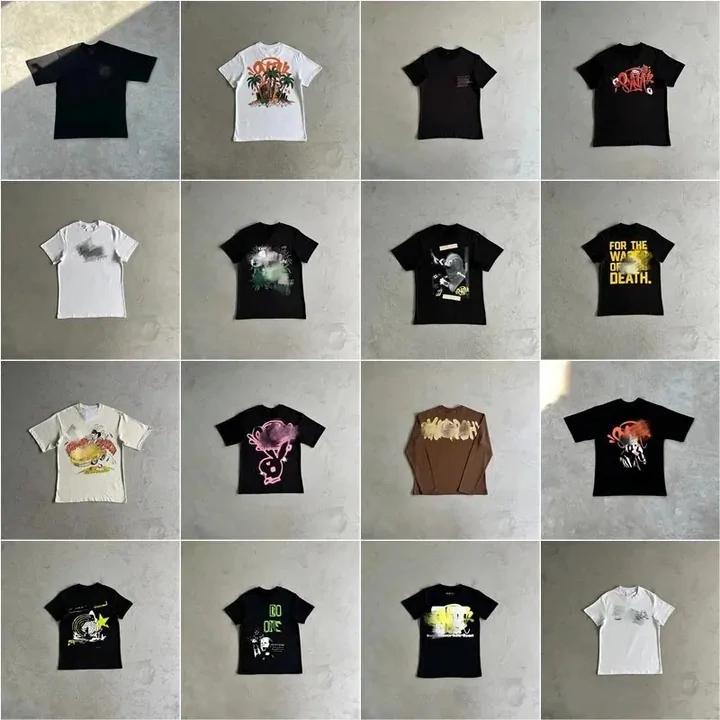
The Superbuy Spreadsheet is the wall of product cards you browse before you open Superbuy at all: category pages full of cards, each carrying a picture, the item name as the seller wrote it, the platform it sits on, and one link out. It is a shop window, not a document, and it is not the agent.
The name is a leftover. Years ago people really did swap finds in shared files, and the word stuck to the thing that replaced them. Nothing is sold on it, nothing is stocked by it, and it has no idea what your parcel will weigh.
What it does is the first half of the job: turning "I want something like this" into one link you can hand over. Everything on this site is the second half.
Why this one, and what it refuses to do
There are a lot of these. Most are the same few thousand cards reposted, and what separates a useful one from a dead one is not how it looks.
What this one does differently is narrow. It is about the half of the process that happens after the link: the warehouse, the box and the bill. Every figure on it carries the help centre article it came from and the date it was read, which is how you can tell a price that is still true from one that merely used to be.
What it refuses to do is quote you a shipping cost. Freight depends on a box that does not exist yet, on a route you have not chosen, to a destination we do not know. A number invented for that would be the most-read wrong thing on the site.
What makes a useful spreadsheet, and how to check in two minutes
Run these on this site too. The categories page exists partly so you can.
Open five cards and count the dead ones
Listings come down constantly, so one dead link is ordinary and four is a list nobody has swept this year. Almost nobody runs this test, and it is the most informative one.
Find a date, then find out what it refers to
Updated weekly in the footer and never in the categories is a statement about the footer.
Check whether figures carry a source
A page that states a storage window is making a claim. A page that states it, names the article and dates the reading is giving you something you can check after it goes stale.
Find out who maintains it
Not a brand name in a footer. A named party and an address an email actually reaches. Ours is here.
What this guide deliberately does not cover
Three sites in this family cover Superbuy and they are split by stage rather than by audience, which is worth knowing so you do not read the wrong one.
| The stage | Where it is covered properly | What this guide takes from it |
|---|---|---|
| Choosing the item | The catalogue itself, and the listing-level checks. | Only the parts that change the packing: shape, bulk and restrictions. Those are here. |
| Reading the arrival photographs | A page in its own right, because the three angles deserve one. | Only the part that affects the box, and the window it happens in. That is here. |
| The order end to end | The two fee stages and the full sequence. | Stage two in detail, because that is where consolidation lives. That is here. |
| The warehouse, the box and the bill | This guide. | All of it. If your question has a price in yuan attached, it is probably on one of these pages. |
Next step.
- Browse by category is the shelf itself, read as packing problems.
- What Superbuy does is the other half: who handles the thing once you have chosen it.